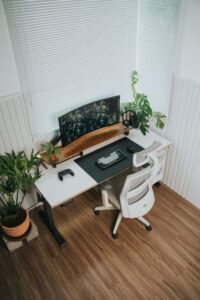
Tips for Creating a More Productive Home Office Environment
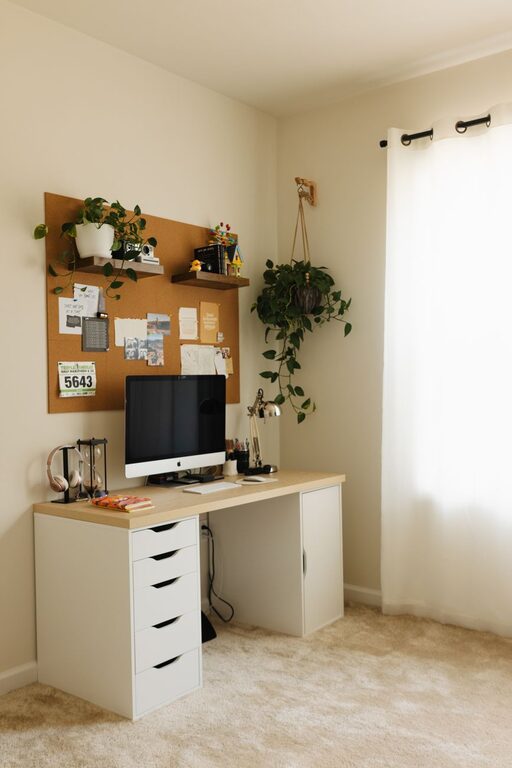
Creating a productive home office is key to maintaining focus, motivation, and efficiency when working remotely. Whether you’re new to working from home or looking to improve your current space, the right environment can make a significant difference in your daily work routine. Here are practical tips to help you set up a home office that promotes productivity and well-being.
Choose the Right Location
Find a Dedicated Workspace
Select a specific area in your home to serve as your office. This spot should be separate from high-traffic or distracting areas when possible. A designated workspace helps your brain associate that area with work, making it easier to switch into a productive mindset.
Consider Natural Light and Ventilation
Pick a space with plenty of natural light, if available, to reduce eye strain and increase alertness. Good airflow is also important—fresh air can help keep you energized. If natural light is limited, invest in quality lighting that mimics daylight to keep the room bright.
Invest in Comfortable and Functional Furniture
Ergonomic Chair and Desk
Comfort is crucial for extended work hours. Choose an ergonomic chair that supports your posture and a desk with enough surface area for your essentials. Adjustable desks that allow you to switch between sitting and standing can also promote comfort and health.
Organize Your Equipment
Keep your computer, monitors, keyboard, mouse, and other tools within easy reach. Using cable organizers or wireless devices can reduce clutter and prevent distractions.
Minimize Distractions
Control Noise Levels
If your home is noisy, consider noise-canceling headphones or white noise machines. These tools help maintain focus by reducing background sounds that can disrupt concentration.
Limit Visual Clutter
Keep your workspace tidy by regularly tidying up and only keeping necessary items on your desk. Organize important documents in labeled folders and use shelves or storage solutions to keep the area clean.
Optimize Lighting and Colors
Use Task Lighting
In addition to natural light, use task lighting such as desk lamps to illuminate your work surface. Adjustable lighting can reduce eye strain and improve focus.
Choose Calming Colors
Soft, neutral colors like blues, greens, or light grays can create a calming environment. Avoid overly bright or distracting colors that might hinder concentration.
Establish a Routine
Set Regular Work Hours
Create a schedule that mimics a traditional workday to help separate work from personal time. Having set start and end times reduces the risk of burnout and improves time management.
Take Scheduled Breaks
Incorporate short breaks to stretch, hydrate, or move around. Breaks refresh your mind and help maintain productivity throughout the day.
Incorporate Personal Touches
Add Plants
Indoor plants not only improve air quality but also add a sense of calm and well-being to your office. Easy-care plants like succulents or pothos can brighten your workspace.
Display Inspiring Items
Include motivational quotes, artwork, or photos that make you feel positive. A visually appealing office can enhance creativity and motivation.
Use Technology Wisely
Choose the Right Tools
Use software and apps that improve organization, such as task managers or calendars. Stay updated with reliable communication tools to stay connected with colleagues if you work in a team.
Manage Digital Distractions
Turn off non-essential notifications and set periods to check emails to avoid frequent interruptions. A clutter-free digital workspace is just as important as a physical one.
Maintain Good Posture and Ergonomics
Position Your Screen Correctly
Your monitor should be at eye level to prevent neck strain. Keep your keyboard and mouse close to your body to reduce arm and wrist fatigue.
Practice Movement
Even with ergonomic furniture, it’s important to change positions and move regularly. Stretch or do light exercises to reduce stiffness and improve circulation.
Keep Your Workspace Clean
Develop a Cleaning Routine
Dust and disinfect surfaces regularly to create a healthy working environment. A clean workspace can reduce allergens and improve your overall comfort.
Declutter Periodically
Set aside time weekly or monthly to clear out unnecessary items. Keeping only what you need helps maintain organization and focus.
—
Creating a productive home office environment doesn’t require a complete overhaul. Small, thoughtful adjustments can enhance your comfort, focus, and efficiency. By paying attention to your space, routines, and tools, you can build a home office that supports your best work every day.